
How to Hire a Deck Builder: A Complete Guide
Building a new deck is a major investment. It’s an extension of your home, a place for summer barbecues, and a massive boost to your property value. But if you search for how to hire a deck builder, most of the advice online is incredibly generic, written by people who have never actually held a circular saw or stepped onto a job site.
If you want a flawless, low-maintenance outdoor space that lasts for decades, you need to know what happens behind the scenes.
As a professional builder, I’m giving you the unvarnished truth. Here is the ultimate guide to vetting deck contractors, spotting warning signs, and ensuring your project runs smoothly from the first handshake to the final walkthrough.
1. The Material Truth: What to Ask For (and What to Avoid)

When you first meet with a local deck builder, they should immediately walk you through your material options. If they don’t explain the long-term maintenance and cost differences even after prompting, that's your first warning sign.
Here is my honest breakdown of your choices:
Pressure-Treated Wood: Never use it for the surface boards. It’s ugly, it doesn’t take stain well, and you’ll end up trapped in a cycle of painting and scraping it.
Natural Woods: If you want the look and feel of real wood, stick to pine or a high-quality cedar. While you do need to re-stain the wood every couple of years, they offer beautiful aesthetics.
Composite and PVC Decking: If your budget allows and you want a truly maintenance-free deck, choose composite or PVC. You never have to stain or paint it, and it stands up to the elements for decades.
2. Structural Warning Signs: How Cheap Builders Cut Corners

A flashy surface can hide terrible craftsmanship underneath. When evaluating quotes or checking a builder's past work, look out for these two critical structural shortcuts that cheap builders use to underbid quality contractors:
Skipping Pressure-Treated Framing
While you shouldn't use pressure-treated wood for the top of your deck, it is absolutely mandatory for the substructure framing. Since the decking screws allow water into the joists, which traps moisture, using cheap, untreated wood underneath means your deck will literally rot from the inside out within a few years.
Staggering Butt Joints on a Single Joist
Pay close attention to how the builder plans to layout the deck boards. A cheap contractor will often stagger the boards so that two ends (butt joints) land directly on top of a single, standard joist.
Why does this matter?: Wood and composite naturally expand and contract. When two boards share a single narrow joist, they will inevitably separate, warp, and create a massive trip hazard. A quality builder installs extra blocking or double-joists at the transition points to give each board its own dedicated structural support.
3. The Contract: Look for a Detailed "Scope of Work"

When you are comparing quotes from different deck installation companies, the prices might vary wildly. Don't just automatically pick the lowest number or assume the highest number is a rip-off. Instead, open up the estimate and look at the Scope of Work (SOW) document.
What to look out for: A vague, one-page estimate that just says "Build a 12x14 composite deck - $15,000." This leaves room for endless hidden fees and unexpected upcharges mid-project.
What to look for: A long, highly detailed Scope of Work. It should explicitly list the brands of materials, the specific colors for the decking and railings (whether you chose wood, aluminum, or steel rail), the hidden fastener system being used, and the exact warranty terms.
4. Logistics: Permits, HOAs, and Respecting the Job Site

A great deck build shouldn't ruin your peace of mind while it's under construction. Before signing a contract, have an open conversation about the logistics:
HOA Approvals: Keep in mind that a contractor legally cannot apply for your Homeowners Association approval. The client must handle the HOA paperwork directly.
Building Permits: While a homeowner can pull city or county building permits, it is always best if the contractor handles it. A professional knows how to submit the architectural details and code requirements correctly to pass inspection the first time.
Job Site Cleanliness: Ask your builder about their daily cleanup routine. A professional crew shows respect for your space by stacking materials neatly and cleaning up debris every single day, rather than leaving a hazardous obstacle course in your backyard for weeks.
5. Pro Tip: Consider Upgrading to Year-Round Usage
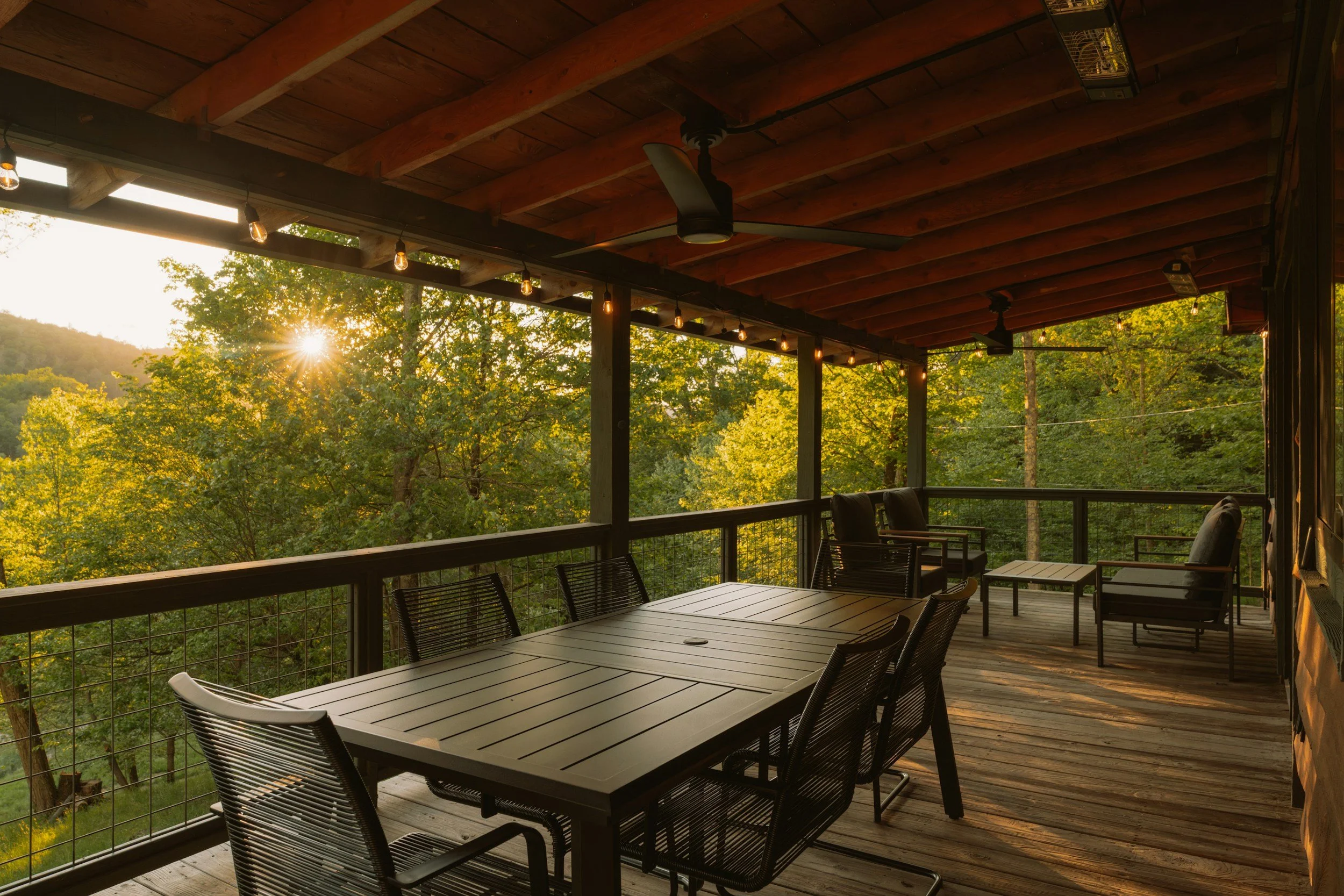
If you want to take your outdoor living space to the next level, ask your builder about adding a deck cover.
Many homeowners wish they had done this from the start. Adding a roof or pavilion structure over your deck allows you to use the space year-round. Toss in a couple of outdoor heaters or fans, and you've just created a functional extension of your living room that you can enjoy for three seasons of the year instead of only a few months.
6. The Final Walkthrough Checklist

Before you hand over the final milestone payment, walk the deck with your contractor and look for the fine details that separate premium craftsmanship from a rushed job:
Fasteners: Ensure the hidden fastener or screw-hole system is perfectly flush and hidden correctly.
Surface Check: Walk the entire deck to verify that no boards were scratched during installation.
Joints: Check all the miters and butt joints to make sure they are tight, seamless, and properly aligned.
The #1 Takeaway: Trust Your Gut
If you only remember one piece of advice from this guide, let it be this: Make sure you actually like the person you are hiring.
A deck build is a major investment, and those workers will be on your property for days or weeks. When you meet the contractor in person, ask yourself: Do they communicate clearly? Do they respect my time? Do I trust them?
Before signing, look at reviews that answer these two specific questions: "How well did they communicate when things changed?" and "Did they stick to their timeframe?"
If the relationship flows smoothly from the very first handshake, your project will be an exciting upgrade to your home, not a daily headache.
Planning a project? Contact us today for a detailed, line-by-line quote on your custom deck, pergola, or outdoor structure!
